


28 Aug Conference Engagement Case Study That Kept Guests Moving
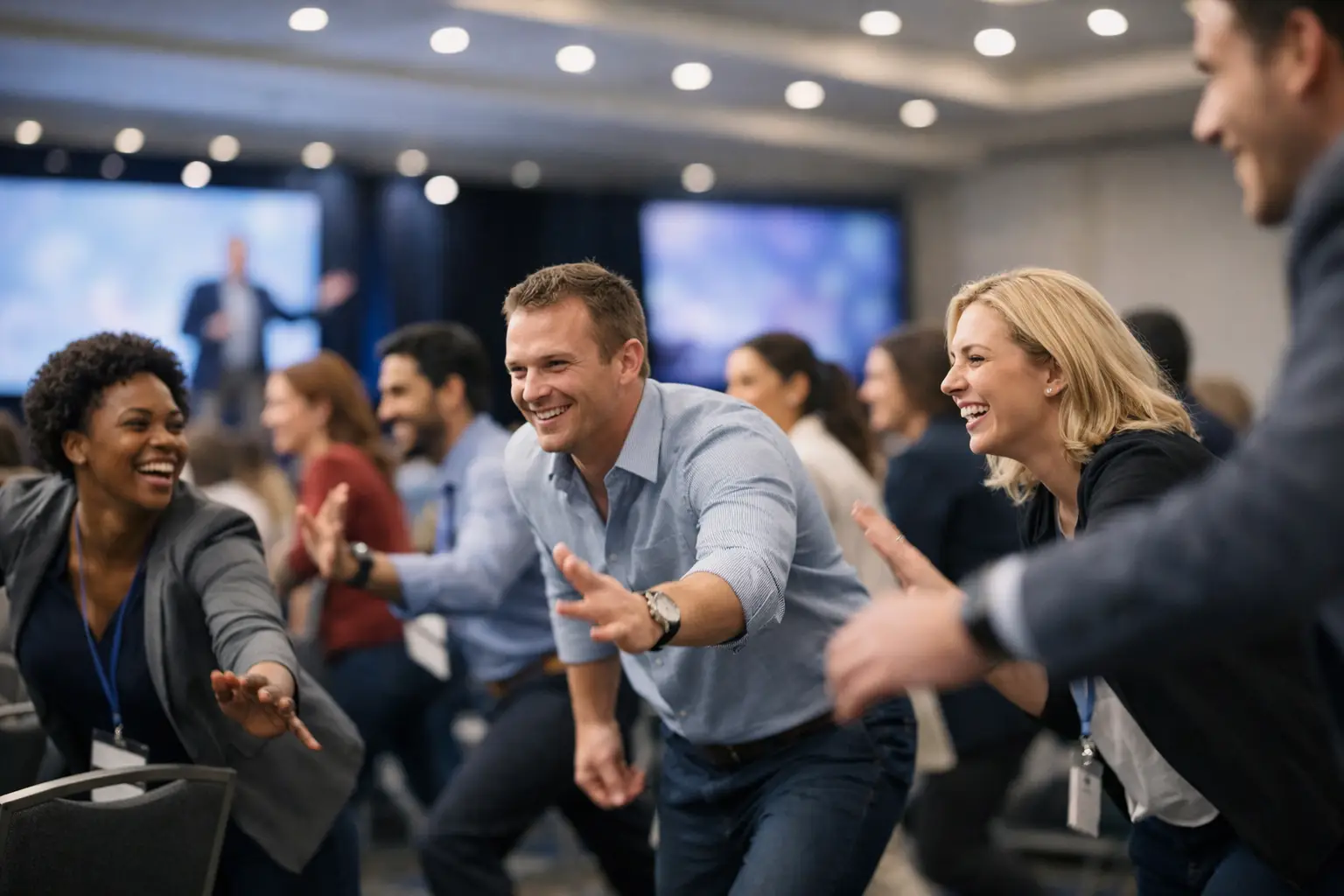
A conference can have an exceptional speaker lineup, thoughtful programming, and a beautiful venue, then still lose energy between sessions. That is where a conference engagement case study becomes useful: it shows how one intentional, guest-facing experience can turn transitional moments into branded interaction, shareable content, and genuine connection.
For corporate planners and marketing teams, the goal is not simply to place a photo booth in a ballroom. The goal is to give attendees a reason to participate, return, and carry the event identity beyond the venue doors. A polished visual activation can do that when it is planned as part of the event experience, not treated as an afterthought.
The Event Challenge: Great Attendance, Limited Interaction
Consider a representative two-day leadership conference for a national company. The agenda included keynote presentations, breakout sessions, sponsor conversations, and an evening reception. Attendance was strong, but the event team identified a familiar concern: guests were moving quickly between programmed moments without many natural opportunities to connect with colleagues from other departments.
The company also needed more than a gallery of room-wide event images. Its marketing team wanted high-quality, on-brand content that attendees would be proud to save and share. The desired result was a conference environment that felt modern, elevated, and alive from the opening check-in through the final reception.
A generic setup would not have met the brief. A basic booth can create a quick burst of novelty, but it may feel disconnected from a sophisticated conference design or fail to deliver imagery that a corporate brand wants associated with its event. The activation needed to be visually distinctive, easy to understand, and managed with enough precision that attendees could participate without slowing down the event flow.
Conference Engagement Case Study: The Activation Strategy
The event team positioned a DSLR-quality photo experience near the central networking lounge, where attendees naturally gathered for coffee, refreshments, and conversations between sessions. This placement mattered. An activation hidden in a distant corner asks guests to make a separate trip. An activation set along a high-traffic path becomes part of the rhythm of the conference.
The visual design was tailored to the event identity. A refined backdrop, branded digital overlays, and a clean station design complemented the conference’s color palette rather than competing with it. Each image carried the event branding with restraint, creating content that looked polished enough for a professional audience while still feeling celebratory.
The experience was supported by professional attendants who welcomed guests, kept the line moving, and made participation feel effortless. That human element is often underestimated. Technology may draw a guest in, but a confident on-site team helps the experience perform consistently through busy breaks, unexpected schedule changes, and varying comfort levels in front of the camera.
For the evening reception, the activation evolved into a more cinematic moment with a 360 video booth. Guests who had seen colleagues enjoying the photo experience during the day were already familiar with the concept, making the second activation feel like a natural extension of the conference rather than another program competing for attention.
Why Two Formats Created More Momentum
The still-photo experience served the daytime audience well because it was fast, approachable, and easy to fit between sessions. Attendees could step in with a colleague, receive a branded image, and return to the agenda within minutes. It created a steady stream of interaction without requiring an extended commitment.
The 360 video booth created a different kind of energy at the reception. It encouraged groups, movement, and a more expressive response once the business portion of the day had eased. This distinction is worth considering for any conference: not every engagement feature needs to accomplish the same job. One can support quick participation, while another can create a high-energy social focal point.
There is a trade-off. Multiple activations require stronger event coordination, adequate space, and a clear understanding of guest traffic. For a smaller conference or a tightly scheduled program, one exceptionally well-executed experience may create a better result than several scattered touchpoints. Scale should follow the event’s actual behavior, not a checklist.
What Changed for Guests and the Event Team
The most visible shift was in how attendees used the networking lounge. Instead of treating it as a pass-through space, small groups lingered, watched colleagues participate, and joined in themselves. The activation gave people an easy conversational opening. A senior leader could pose with a new hire. A sponsor representative could join a client group. Teams who rarely worked together had a reason to share a light, memorable moment.
That social proof matters. At conferences, engagement builds visibly. When guests see an experience in motion, they understand it immediately and are more likely to participate. The event does not need a complicated explanation or aggressive prompting. It needs an inviting visual cue and a result worth having.
The event team also gained a more varied collection of branded content. Alongside professional photography of speakers, room details, and candid networking, the activation generated attendee-created moments with a consistent visual standard. Those images and clips extended the story of the conference beyond the stage, showing culture, connection, and energy in a format suited to internal communications and social channels.
This is where quality changes the value of the activation. If the lighting, composition, and branding feel careless, guests may still have fun, but the final assets can be difficult for a corporate team to use. Editorial-quality imagery gives the event a longer afterlife. It supports recap communications, recruitment storytelling, future event promotion, and the simple but meaningful act of letting attendees relive the experience.
Designing for Engagement, Not Just Photos
A successful conference activation starts with a question: what behavior should this experience encourage? For some events, the answer is networking. For others, it is sponsor visibility, employee recognition, product discovery, or social sharing. The answer influences everything from the format selected to the backdrop design and physical placement.
If networking is the priority, place the experience beside a lounge or bar and use prompts that welcome pairs and groups. If brand awareness is the priority, integrate logos, campaign language, and colors with a more editorial approach than a heavily branded sign. If the purpose is a product launch, build the visual environment around a tactile reveal or a campaign-specific moment that gives guests a reason to create content.
The guest journey deserves the same attention. Attendees should be able to identify the experience at a glance, understand how to participate, and receive their content without friction. A beautiful installation that creates a confusing queue or depends on guests downloading unfamiliar technology can lose momentum quickly.
Professional execution also protects the event team. Conference planners have enough to manage without troubleshooting equipment, directing guests, or monitoring a crowded activation area. A hands-on production partner should coordinate setup, test the environment, manage the experience throughout service, and break down with minimal disruption.
The Measures That Matter Beyond Foot Traffic
A busy booth is encouraging, but participation alone does not define success. The strongest post-event review considers both quantity and quality. How many guests participated? How many returned with colleagues? Did the activation draw people into a quieter area of the venue? Were branded images and videos shared or saved? Did attendees mention the experience in feedback?
For brand teams, the usable asset count is equally important. The best activation content should look intentional in a post-event recap, an employee newsletter, or a future campaign. For planners, the operational measure is simple: did the experience add energy without adding stress?
These measures also inform the next event. If daytime participation was high but reception engagement lagged, the issue may be placement, timing, or a mismatch between format and audience. If the booth became a natural gathering point, it may deserve a more central role in the floor plan next year.
The lasting lesson is not that every conference needs more entertainment. It is that thoughtfully designed interaction can make an agenda feel more human. When visual activations are customized, professionally staffed, and placed with purpose, they create the kind of polished participation guests remember. For event teams planning a conference in Nashville or beyond, Pic Station can help turn that moment of engagement into an experience attendees want to step into.