
13 Aug Cinematic Event Videography That Feels Like Your Event
A packed ballroom changes by the minute. The room settles before a keynote, a product reveal lands, guests fill a custom activation, and a toast turns into the moment everyone remembers. Cinematic event videography preserves more than a schedule of what happened. It gives that energy a polished, intentional visual life long after the final guest leaves.
For planners, marketing teams, and hosts, the difference matters. A standard event recap may document attendees and speeches. A cinematic film captures atmosphere, pacing, reactions, design details, and the emotional rhythm that made the experience distinctive in the first place.
What Cinematic Event Videography Actually Means
Cinematic does not simply mean using a high-resolution camera or adding slow motion to a highlight reel. It is a production approach built around visual storytelling. Every choice, from framing and lighting to music, movement, and editing, should help the viewer feel the event rather than merely observe it.
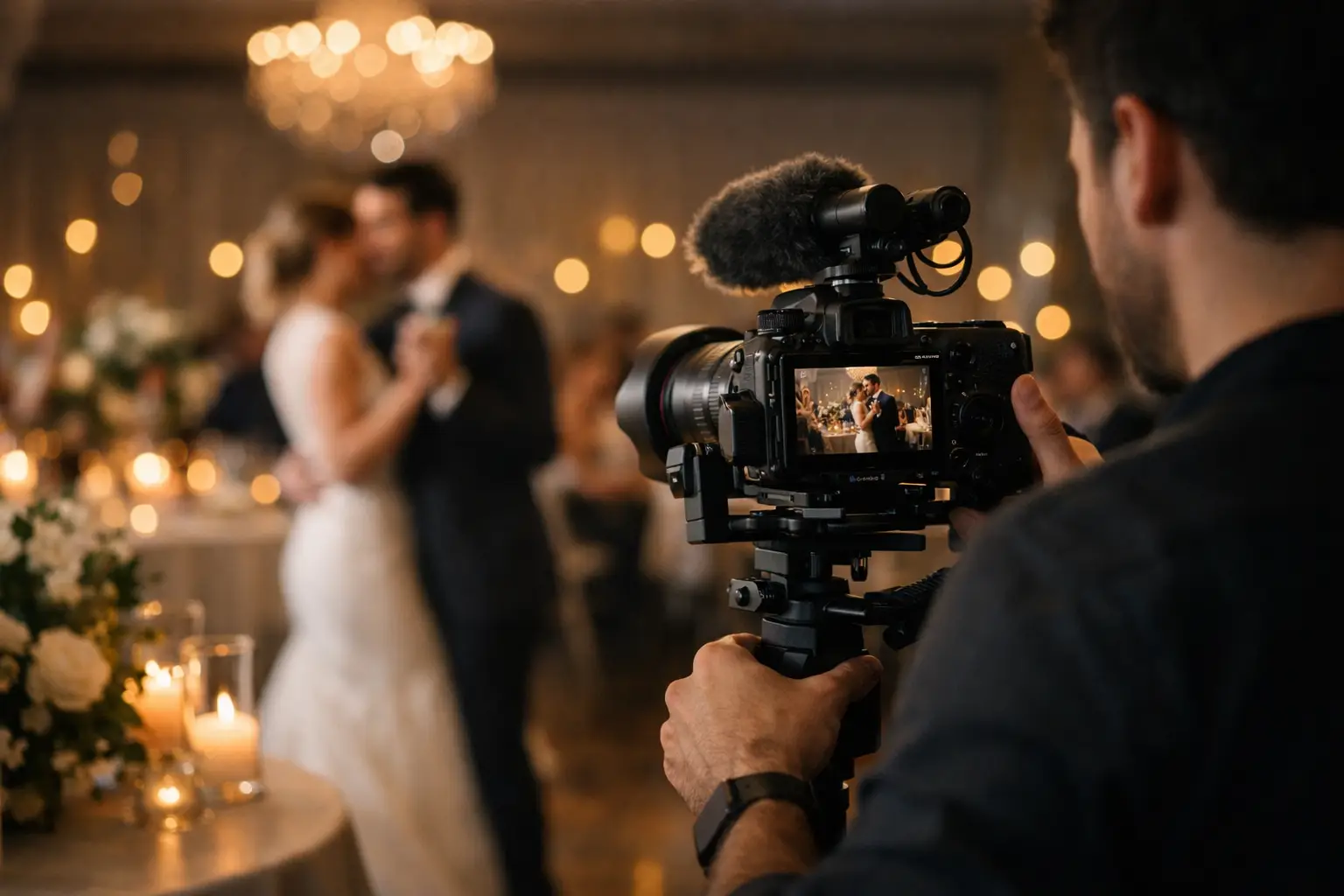
At a corporate conference, that may mean opening on the architecture of the venue and the anticipation of registration before moving into high-energy sessions, audience reactions, sponsor moments, and networking. For a wedding or gala, the story may center on intimate exchanges, elegant décor, the arrival of guests, and the momentum of the celebration as the evening unfolds.
The strongest films balance the polished with the candid. They include the hero shots that show the scale and design of an event, but they also make room for laughter, applause, a meaningful glance, or the first guest stepping into an immersive experience. Those unscripted details are where the film gains its emotional pull.
Why It Creates More Value Than Basic Event Coverage
An event is often the result of months of planning, creative direction, vendor coordination, and careful brand stewardship. Once it is over, photography and video become the lasting record of that investment. A cinematic approach helps ensure that record feels aligned with the quality of the experience itself.
For brand events and marketing activations, the film can extend a campaign beyond the venue. It provides refined visual material for social channels, post-event recaps, sales presentations, internal communications, and future event promotion. It also shows prospective partners what it feels like to engage with the brand in person, which is difficult to communicate through static event details alone.
For private celebrations, the value is more personal but no less significant. A beautifully edited film holds the movement and sound that photos cannot: a parent’s toast, a full dance floor, a guest’s reaction to a surprise, or the atmosphere of a carefully designed reception. The goal is not to turn a milestone into a movie set. It is to preserve its character with the care it deserves.
A Film Should Have a Purpose Before Cameras Arrive
The best event video plans begin with a clear use case. A 60-second social-first recap requires a different shooting strategy than a two-minute brand film, an executive interview package, or a wedding highlight video. Trying to capture everything equally can result in a pleasant but unfocused edit.
Before the event, define the moments that carry the story. For a product launch, the reveal, audience response, speaker sound bites, branded environment, and guest interaction may be essential. For a conference, leadership messaging, attendee engagement, and sponsor visibility may take priority. A celebration may call for more attention to family, rituals, live entertainment, and the visual texture of the room.
That direction also informs the crew’s placement and movement. A professional team can work discreetly while still positioning itself for the key moments, rather than chasing them after they happen.
The Production Details Guests Notice Without Realizing
A cinematic film feels elevated because a number of technical and creative decisions are made with precision. Camera movement is purposeful, whether it follows guests into an activation or glides across a transformed venue. Lighting is managed to flatter people and preserve the mood of the space. Audio is captured cleanly enough that a keynote, toast, or interview can carry real impact.
Editing is where those elements become a story. The strongest edits do not rely on flashy effects to create excitement. They build pace through thoughtful sequencing: a quiet moment before a reveal, a close-up reaction after a big announcement, or a transition from daytime programming to an evening celebration.
Music should support the event’s personality without overwhelming it. A luxury gala may call for a sophisticated, measured rhythm. A consumer brand activation can support a more energetic cut. The right choice depends on the audience, brand guidelines, and how the finished video will be used.
Color treatment matters as well. A polished grade can unify footage from a complex environment and make décor, wardrobe, signage, and architectural details feel intentional on screen. It should enhance the visual identity of the event, not make it look artificial.
Planning for Better Footage Without Making the Event Feel Staged
Great footage is often won in the planning stages. This does not mean filling an event with intrusive cameras or asking guests to perform. It means giving the video team the information and access needed to capture the experience naturally.
A detailed run of show is the starting point. Share keynote times, special entrances, entertainment cues, sponsor obligations, VIP attendance, and any moments that cannot be repeated. If a major brand reveal lasts 30 seconds, the team needs to know its timing, sight lines, and lighting conditions well before the doors open.
Venue access is equally useful. Capturing an empty room before guests arrive creates space for the design details that often disappear once the event is underway. Establishing shots of signage, tablescapes, product displays, and custom installations give the final film context and visual polish.
For branded events, provide approved logos, key messages, preferred terminology, and any visual guidelines early. This supports more accurate lower thirds, motion graphics, and final deliverables. It also prevents a rushed review process when the event is already over.
There is a trade-off to consider with every production. More coverage can capture more angles and simultaneous moments, especially at large conferences or multi-room programs. A more streamlined team can feel especially unobtrusive for an intimate celebration. The right approach depends on the scale of the event, the complexity of the schedule, and the final assets that matter most.
Event Videography Works Best Alongside Guest Experiences
Video coverage is particularly powerful when it is designed to work alongside guest-facing visual moments. A custom photo booth, 360 video booth, red-carpet arrival, or editorial portrait setup gives attendees a reason to participate while creating naturally dynamic footage for the final edit.
These experiences do more than fill a frame. They create movement, interaction, and genuine reactions. At a corporate event, they can bring campaign messaging into the room in a way that feels social and shareable. At a private event, they give guests a polished keepsake while adding another layer of energy to the celebration.
For events in Nashville and beyond, Pic Station approaches these elements as part of one coordinated visual experience. Professional videography, high-end guest activations, and attentive event execution can work together so the content feels cohesive rather than assembled from separate vendors.
Choosing a Team That Can Protect the Experience
A beautiful portfolio is a useful starting point, but event videography demands more than attractive footage. The team also needs to understand live-event logistics: changing light, tight timelines, crowded rooms, executive schedules, venue protocols, and moments that only happen once.
Look for a production partner that asks thoughtful questions about the event objective, audience, brand standards, and run of show. They should be comfortable collaborating with planners, agencies, venues, and other vendors without adding unnecessary friction. Professionalism is visible in the finished film, but it is also visible in how calmly a team operates on site.
Ask about the expected deliverables and the intended viewing formats. Vertical social clips, a widescreen recap, speaker interviews, and an event sizzle reel all have different needs. Setting those expectations early produces more useful assets and helps ensure no essential moment is overlooked.
The most effective cinematic event videography does not pull attention away from the occasion. It heightens what is already there: the anticipation, the craft, the connection, and the moments guests will talk about afterward. When the final film makes someone who was not in the room wish they had been, it has done its job.