
19 Oct Wedding Videography Style Selection Guide
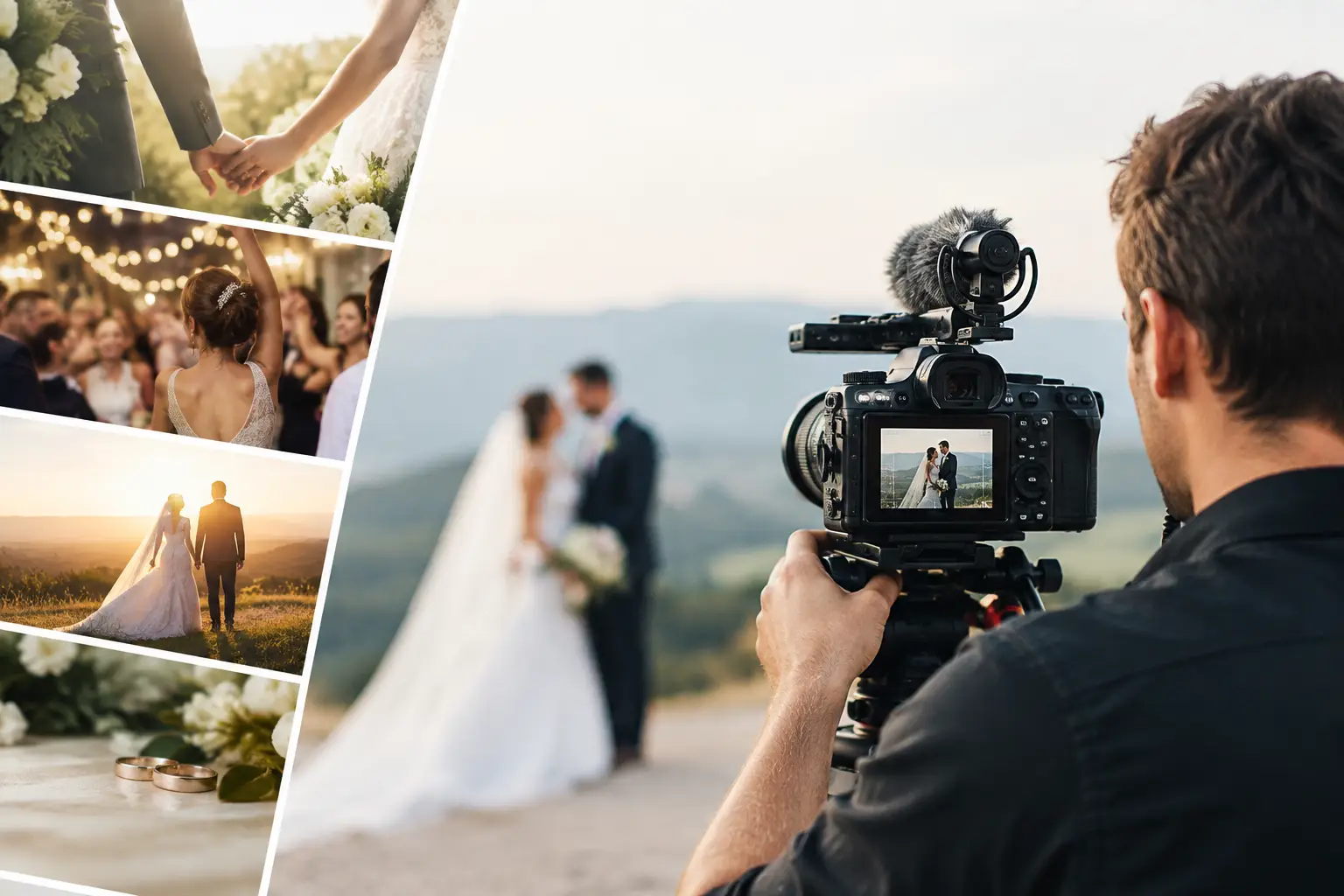
The first seconds of a wedding film set the emotional temperature of the entire memory. A quiet close-up of hands being buttoned into a gown feels very different from a fast-cut montage of champagne, dance-floor energy, and city lights. This wedding videography style selection guide helps couples choose a visual approach that feels true to their celebration, not simply popular on social media.
The right style should reflect more than a favorite song or a beautiful highlight reel. It should suit the pace of the day, the personality of the couple, the setting, and the moments they will want to revisit years from now. A polished wedding film has room for both artistry and honesty, but the balance looks different for every event.
Start With the Feeling You Want to Relive
Before comparing cameras, editing techniques, or package details, consider the experience you want your film to bring back. Some couples want to feel the ceremony all over again: the vows, the parent speeches, the pauses, and the laughter that happened between planned moments. Others want a high-energy keepsake that captures the atmosphere of a celebration in motion.
A useful question is this: if your wedding were a film scene, would it feel intimate and observant, fashion-forward and editorial, joyful and spontaneous, or expansive and cinematic? There is no wrong answer. The goal is to give your videographer a clear emotional direction rather than a collection of disconnected references.
Also consider what naturally happens when you are being photographed or filmed. Couples who forget the camera is present often enjoy documentary coverage. Couples who love a little direction and want their venue, fashion, florals, and design choices captured with intention may lean toward a more editorial production.
The Wedding Videography Style Selection Guide to Know
Most wedding films blend more than one style. Still, knowing the core approaches makes it easier to identify what should lead the final edit.
Cinematic
Cinematic wedding videography is built around mood, composition, movement, and storytelling. It often uses carefully framed details, considered lighting, slow-motion footage where it serves the moment, and an edit that builds emotionally. The finished film can feel immersive and elevated without becoming overly staged.
This style is a strong fit for couples planning a visually distinctive celebration, especially at an architectural venue, estate, rooftop, destination setting, or design-forward reception. It also works beautifully when the day includes thoughtful details worth lingering on, from fashion and stationery to sculptural floral work and dramatic lighting.
The trade-off is that cinematic coverage benefits from time. If every minute of the schedule is tightly packed, there may be fewer opportunities for intentional portraits, venue footage, or transitional scenes. Build breathing room into the timeline if a refined cinematic look is a priority.
Documentary
Documentary coverage centers on real events as they unfold. Rather than shaping every scene, the videographer observes, anticipates, and preserves genuine interaction. The resulting film may include more ambient audio, unscripted laughter, hugs, candid guest reactions, and full moments from the ceremony or speeches.
This approach is ideal for couples who value authenticity over perfection and want their film to preserve the character of everyone in the room. It is particularly meaningful for weddings with emotional vows, close-knit families, cultural traditions, or reception speeches likely to become family favorites.
Documentary does not mean unpolished. Expert documentary videography still requires sharp composition, clean audio, and excellent timing. It simply allows the day to be itself instead of turning every moment into a production.
Editorial
Editorial wedding videography borrows from fashion campaigns and luxury event coverage. It gives deliberate attention to styling, visual symmetry, movement, and detail. Expect elegant establishing shots, polished portraits, close-ups of design elements, and a confident visual rhythm.
For couples who have invested in a high-design celebration, editorial coverage ensures that the visual world of the event receives the attention it deserves. It can also be an excellent choice for couples who want a film that feels as considered as their photography gallery.
The key is communication. Editorial footage may involve gentle prompting, such as taking a slow walk through a dramatic space or revisiting a detail after the room is set. That should feel enjoyable, not intrusive. A great team knows when to direct and when to step back so the day remains personal.
Story-Driven or Narrative
Narrative films use the voices of the wedding day to create a story. Vows, toasts, letters, and sometimes recorded interviews shape the edit, giving the film a beginning, emotional center, and resolution. This style can be cinematic or documentary in its visuals, but audio carries much of the impact.
Choose a narrative-forward approach if your relationship story, ceremony words, or family voices matter as much as the visual highlights. It is especially powerful when couples have written personal vows or when the reception includes speakers with deep history and a gift for making a room laugh or cry.
Because sound is central, audio planning is not a technical afterthought. Ask how microphones will be placed for the officiant, each partner, and speeches. Clear audio is one of the biggest differences between a beautiful video and a film that feels truly complete.
Social-First and High-Energy
Some celebrations call for quick pacing, upbeat music, vertical clips, bold transitions, and content designed to be shared shortly after the event. This style is especially natural for energetic receptions, weekend wedding events, and couples who want a lively record of their guests on the dance floor.
Social-first content can complement a longer wedding film, but it should not automatically replace it. Short-form edits are perfect for capturing immediate excitement. A longer, thoughtfully edited film has more room for voices, atmosphere, and the quieter moments that may matter more with time.
Let Your Venue and Timeline Shape the Decision
A wedding film should work with the reality of the day. A black-tie evening in a ballroom, an outdoor ceremony at golden hour, and a multi-cultural celebration with several traditions each invite different visual choices.
For example, documentary coverage is often the best foundation for a day with meaningful rituals that cannot be paused or repeated. A cinematic or editorial layer can then elevate portraits, décor, and transitions. For a wedding with a first look, dedicated portrait time, and a carefully designed reception reveal, there is more flexibility to create polished visual sequences.
Light matters as well. Natural light lends itself to soft, romantic imagery. A candlelit dinner or after-dark dance floor can become striking and atmospheric, but it requires a videography team prepared to work beautifully in low light without disrupting the guest experience. Ask to see examples filmed in environments similar to yours, not only highlight reels shot in perfect afternoon sunshine.
Choose References With Precision
Sharing inspiration is helpful, but a folder of 50 unrelated clips can create more confusion than clarity. Select three to five examples and explain exactly what you respond to. Perhaps it is the warm color palette, the deliberate pacing, the candid guest footage, the way the speeches are layered into the edit, or the restrained use of slow motion.
It is equally valuable to identify what you do not want. If a video feels too posed, too heavily filtered, too fast, or too focused on décor, say so. Clear preferences allow a professional videographer to translate inspiration into a film that fits your event rather than imitating someone else’s.
Remember that online samples are edited to showcase a creator’s strongest work. Request examples that reveal how they handle ceremonies, speeches, mixed lighting, and full receptions. Those are the moments where experience, preparation, and technical precision become visible.
Ask Questions That Reveal Fit
A style label alone is not enough. Two videographers may both describe their work as cinematic while delivering very different results. Ask how they approach direction, whether they record ceremony and speech audio independently, how they work alongside the photography team, and what they do when the timeline shifts.
You should also ask who will be filming your event and whether the team has experience with your venue type, guest count, or traditions. Luxury event coverage depends on calm, discreet execution. The best videography teams capture the energy without becoming the center of attention.
For a larger celebration, consider whether multiple videographers are needed to cover different perspectives at once. One can remain focused on the ceremony while another captures guest reactions, venue scale, or cocktail-hour activity. That additional coverage can make a final film feel fuller, particularly when the day unfolds across several spaces.
Build a Film That Still Feels Like You
Trends move quickly. The way your partner looks during the first dance, the sound of a parent’s toast, and the room erupting when the music changes do not. Choose a style that honors the visual language you love while leaving space for the unscripted moments no mood board can predict.
At Pic Station, polished event videography is approached as part of the entire guest experience: intentional, cinematic, and executed with the kind of detail that lets hosts stay present. The strongest wedding films do more than document what happened. They preserve how the celebration felt when everyone you love was in the room.