


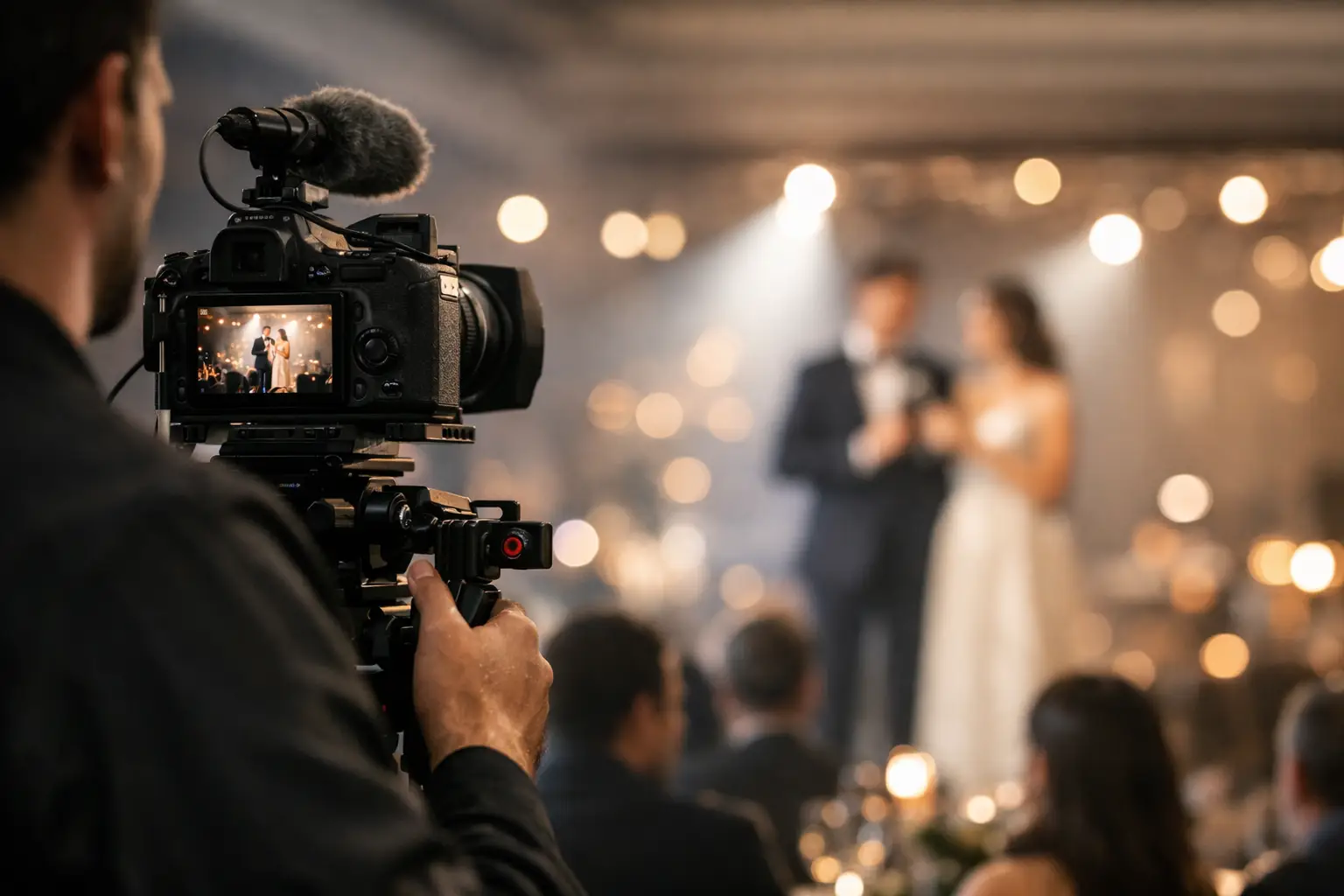
08 Aug Event Highlight Video Production That Lasts
The room may be full for only a few hours, but the right event highlight video production gives that energy a far longer life. It preserves the standing ovation, the packed dance floor, the product reveal, the reactions that happened between scheduled moments, and the visual details your team worked hard to get right. More than a recap, it becomes a cinematic asset that lets guests relive the occasion and lets future attendees see why they should be in the room next time.
For corporate events, brand activations, weddings, and milestone celebrations, a highlight film is often the most efficient way to tell the full story without asking anyone to watch hours of footage. The difference is not simply having a camera on-site. It is having a production approach built around the event’s purpose, pace, people, and visual identity.
What Event Highlight Video Production Should Deliver
A strong highlight video does more than document who attended. It creates a feeling. The finished piece should make a viewer understand the scale of a conference, the personality of a launch, the warmth of a celebration, or the momentum behind a brand experience within the first few seconds.
That requires intentional coverage. A polished film typically combines establishing shots of the venue, environmental details, guest arrivals, meaningful interactions, headline moments, and candid reactions. For a brand event, that may include branded installations, product engagement, signage, speakers, and content created by attendees. For a wedding or gala, it may mean styling details, embraces, toasts, dancing, and the moments of anticipation that make the evening personal.
The best edits also have rhythm. A high-energy activation may call for faster pacing and an energetic soundtrack. An executive summit might benefit from a more measured edit that balances keynote clips with networking and premium venue visuals. Neither approach is universally better. The right choice depends on what the audience needs to feel and what the video needs to accomplish after the event.
Start With the Video’s Job
Before cameras arrive, decide where the final video will live and what it needs to do. This single decision shapes nearly every production choice, from shot selection to runtime.
A 30- to 60-second social cut needs immediate visual impact. It should prioritize motion, faces, recognizable event moments, and clear branding that feels integrated rather than pasted on. A two-minute recap for sales outreach or an event landing page can take more time to establish the story, feature speaker soundbites, and show the depth of the experience. Internal communications may place greater value on employee participation, leadership messages, and company culture.
For wedding planners and private hosts, the goal is usually more emotional: a concise film that feels elevated enough to share, yet personal enough to keep. For experiential agencies and brand teams, the goal may be proof of engagement. Did guests interact with the installation? Was the space active? Did the brand show up with the intended level of polish? The film should answer those questions visually.
When the objective is clear, the production team can create a focused shot plan rather than chasing every moment with equal weight. That makes the final edit stronger and protects the event from feeling overproduced.
The Details That Make Footage Feel Cinematic
High-end event video is built through small decisions that viewers may not consciously notice. Camera movement, composition, lighting, sound, and editing work together to create a distinctive finish.
Lighting is often the first practical challenge. Galas, receptions, and launch parties are designed for atmosphere, not necessarily for video. Dim rooms, colored uplighting, LED walls, and sudden changes in stage lighting can all affect the image. An experienced videography team anticipates those conditions with professional camera systems, appropriate lenses, and a plan for working within the event environment without disrupting guests.
Audio deserves the same attention. A clear excerpt from a keynote or toast can give an event film emotional weight and context. But usable sound requires preparation: coordinating with the venue or AV team, identifying microphone sources, and understanding when live audio matters versus when music will carry the scene. Capturing great visuals without a strategy for sound can limit the editing possibilities later.
Then there is movement. Wide venue shots establish scale, while close-ups of hands, expressions, and interactions make the experience feel immediate. A camera positioned in the right place before a ribbon cutting or surprise announcement can capture genuine reactions. Arriving after the moment has started cannot recreate them.
Plan Coverage Around the Guest Experience
Professional coverage should elevate an event, not compete with it. Guests should be free to connect, celebrate, and participate without feeling as though every conversation has become a production set.
This is especially relevant for premium events where hospitality and presentation are central. A video team needs to understand the schedule, respect the flow of service, communicate with the planner and venue, and move efficiently through the room. They should know when to capture a wide shot of the crowd and when to step back so a meaningful moment can happen naturally.
A well-run production also coordinates with other visual vendors. Event photographers, photo booth attendants, lighting teams, DJs, stage managers, and brand activation staff all influence what the camera can capture. Early alignment prevents duplicated effort and helps the full visual program feel cohesive.
At Pic Station, that coordination is part of the value of pairing event videography with guest-facing visual experiences. A customized photo booth, immersive 360 video booth, or branded portrait moment can create footage with natural movement and built-in guest enthusiasm. The video team can then capture not just the booth itself, but the anticipation, laughter, and shareable content it generates around the activation.
Capture the Story Beyond the Stage
Many event recaps lean too heavily on the formal program. A keynote may be essential, but a highlight film becomes more memorable when it also captures what happened around it: the greeting at registration, the team celebrating after a presentation, the quiet focus before a speaker walks on stage, the unexpected reaction to a reveal.
These moments make an event feel lived-in. They show prospective guests and stakeholders that the gathering was not merely well organized, but genuinely engaging. For brands, they also provide proof that the audience connected with the experience. For private celebrations, they become the details people may have missed while hosting.
This is where a focused crew makes a difference. More cameras can provide greater coverage, particularly for large conferences, multi-room programs, or events with simultaneous activity. But a larger setup is not always necessary. An intimate dinner may benefit from a lighter footprint and a videographer who can move discreetly. The appropriate crew size depends on the event’s scale, schedule, venue layout, and must-have moments.
Editing Is Where the Event Becomes an Asset
The edit should not feel like a chronological recording. It should feel like the event at its most vivid. That means selecting clips for emotional impact, visual quality, and storytelling value, then sequencing them in a way that carries viewers forward.
Brand elements need thoughtful treatment. A logo, campaign message, event name, or sponsor recognition can appear in the film, but it should support the story rather than interrupt it. The strongest branded videos allow the experience itself to demonstrate the brand promise. Guests engaging with a product, interacting with a custom activation, or responding to a beautifully designed environment often communicates more than a graphic alone.
It is also wise to plan for multiple deliverables. A primary highlight film is the centerpiece, but shorter vertical clips can be valuable for social channels, while a concise speaker-focused cut may serve an internal audience or future promotion. Capturing with these versions in mind helps ensure the right orientation, framing, and moments are available in post-production.
Give the Video a Purpose After the Applause
A finished highlight video should have a release plan, even a simple one. Share it while the event is still fresh, use it in recap communications, include it in future event promotion, or present it as part of a post-event report. A well-produced film can continue working long after load-out by reinforcing brand perception, thanking attendees, and building anticipation for what comes next.
The event itself is fleeting by design. The right film gives it a polished second life – one that feels as intentional, energetic, and memorable as the room did in person.