


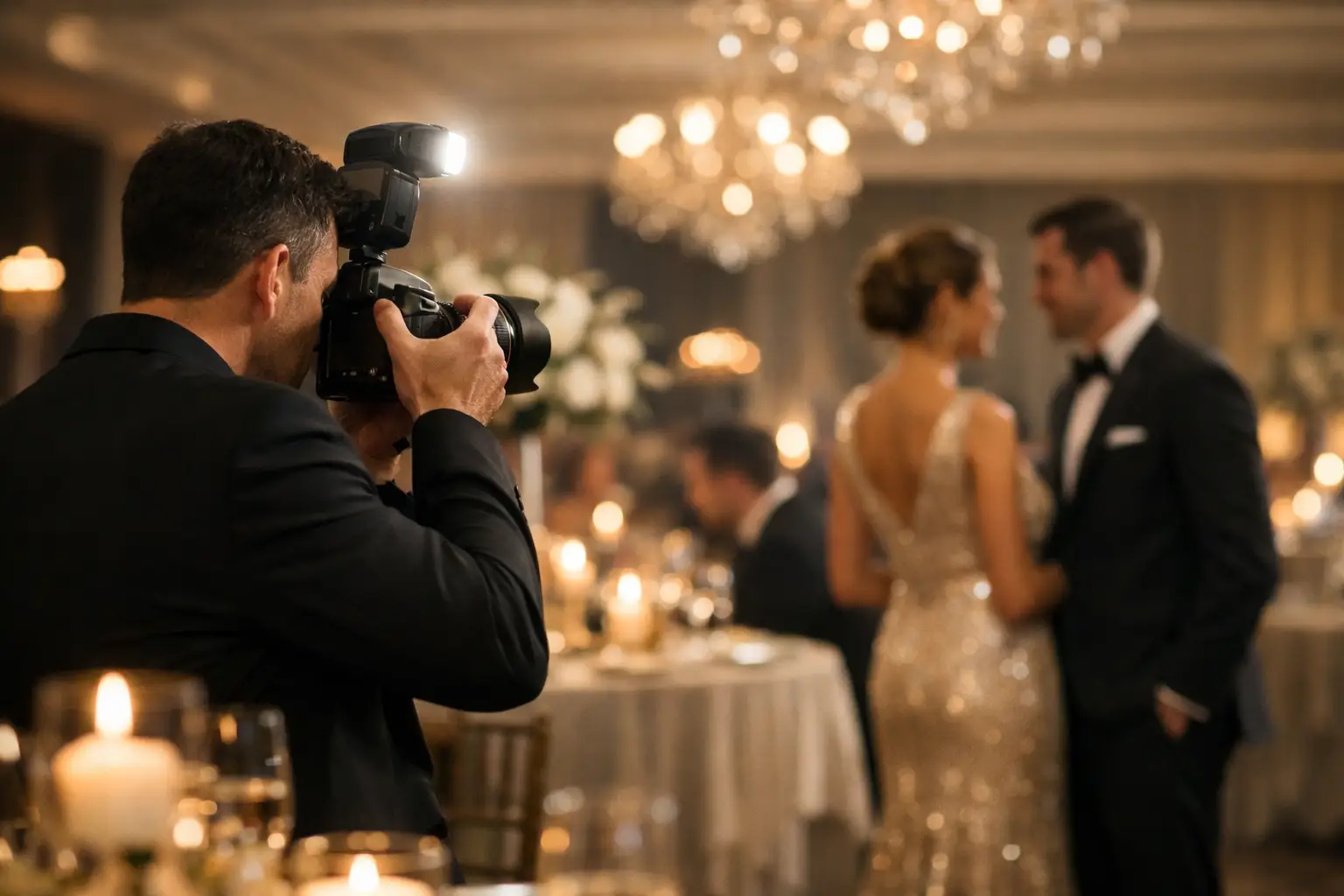
03 Aug Event Photography for Galas That Feels Elevated
The room changes the moment the program begins. Conversations quiet, auction paddles rise, a honoree takes the stage, and months of planning become visible in a few powerful minutes. Event photography for galas should capture that transformation with the same care that went into the guest list, lighting design, table settings, and mission itself.
For nonprofit leaders, event planners, and corporate hosts, gala photography is more than event documentation. It is a visual record of donor generosity, organizational momentum, sponsor visibility, and the people who made the evening meaningful. The best images feel polished enough for an annual report, warm enough for social channels, and authentic enough to remind guests why they chose to be in the room.
Why Event Photography for Galas Requires a Different Approach
A gala has a distinct rhythm. It moves from arrivals and cocktail-hour energy to formal dining, live programming, fundraising moments, and a celebratory close. Each chapter calls for a different photographic instinct, and missing one can leave an otherwise beautiful event feeling incomplete.
Arrival coverage establishes the tone. Guests want to look their best, sponsors want a refined brand presence, and the host organization needs imagery that reflects the caliber of the gathering. This is where intentional portraiture, step-and-repeat coverage, and editorial candids work together. A photographer should know when to guide a group into flattering light and when to step back to capture a spontaneous reunion or a guest taking in the room for the first time.
Once dinner begins, the priority shifts. Wide shots reveal the scale of the production, while closer images preserve the emotion behind the evening: a speaker pausing before an important message, a table reacting to a winning bid, a board member embracing an honoree. These are not interchangeable moments. They tell the story of both the experience and the cause.
The trade-off is that extensive posed coverage can slow an event down, while an entirely candid approach may leave organizers without the essential sponsor, leadership, and VIP images they need. A thoughtful photo plan makes room for both. It creates a concise list of must-have portraits, then gives the photographer freedom to follow the energy of the room.
Start With the Images Your Gala Will Need Later
The strongest gala coverage begins well before guests arrive. Instead of simply requesting a photographer for a set number of hours, define how the images will be used after the event. A fundraising team may need emotional donor-facing content. A corporate host may need strong sponsor integration and executive portraits. A venue may want architectural images that show the full transformation of the space.
That direction informs everything from the shot list to staffing. If multiple VIP groups, sponsors, and activations need dedicated coverage, one photographer may not be enough. Larger galas often benefit from a team approach, with one photographer focused on key program moments and another moving through guest interactions, room details, and branded experiences.
A useful pre-event conversation should identify the honoree, keynote speaker, presenting sponsor, board leadership, major donors, auctioneer, and any special performance or surprise moment. It should also clarify who has authority to gather VIPs for group images. A skilled photographer can work quickly, but they should not be expected to recognize every important guest without a clear plan.
Build a Shot List Without Making the Night Feel Staged
A gala shot list should be a guide, not a script. The most effective version prioritizes moments that cannot be recreated: room reveals before guests enter, award presentations, auction wins, sponsor recognition, and leadership portraits. It also identifies visual details that represent the event’s investment and personality, such as custom menus, floral installations, branded signage, entertainment, and immersive guest experiences.
Keep the list focused. Asking for every possible combination of people can turn a celebration into a series of interruptions. Reserve formal group photos for a defined window, ideally during arrivals or before the room opens, then let the evening breathe.
Lighting Is What Makes a Gala Look Like a Gala
Ballrooms, museums, rooftops, and historic venues often create a beautiful atmosphere for guests but a demanding environment for photography. Low light, colored uplighting, moving stage lights, and dark formalwear can quickly produce flat, grainy, or poorly balanced images without the right equipment and experience.
Professional gala photography uses intentional lighting to preserve the mood rather than erase it. The goal is not to flood the room with harsh flash. It is to create clean, flattering images that retain the warmth of candlelight, the drama of a stage presentation, and the texture of a thoughtfully designed venue.
This matters especially during the program. A speaker on stage needs to be properly exposed without losing the LED screen, projection, or branded backdrop behind them. An auctioneer moving quickly requires sharp images that still feel alive. If the room is lit in deep blue or magenta, the photographer must decide whether to preserve that color story or correct it for more natural skin tones. There is no universal answer. The right choice depends on the event’s creative direction and how the images will be used.
Do Not Let the Photo Booth Feel Like an Afterthought
A high-end photo booth can give gala guests a reason to participate, relax, and create their own keepsakes between formal moments. It can also produce a volume of branded content that traditional roaming photography cannot replicate. But for it to feel aligned with a formal event, the presentation matters.
Modern booth design, DSLR-quality imagery, custom overlays, a tailored backdrop, and professional attendants help the activation feel integrated into the gala rather than tucked into a corner as an afterthought. The experience should reflect the event identity, whether that means a polished black-and-white portrait station, a glamorous editorial backdrop, or a branded activation built around a campaign message.
Positioning is equally important. Place the booth where guests can see it and access it easily, but avoid creating congestion near registration, dinner service, or the entrance to the ballroom. Cocktail hour, post-program mingling, and the after-party are often the strongest windows for participation.
Capture the Mission, Not Just the Decor
Beautiful details deserve to be photographed. They show the level of production and give planners, sponsors, and venue partners assets to share. Yet the images people remember most are usually about human connection.
For a nonprofit gala, that may be a beneficiary speaking with a donor, a family reacting to a mission film, or the quiet pride of an award recipient. For a corporate gala, it may be a team celebrating a major milestone, a client connection, or a leader recognizing the people behind a successful year. These images give the event emotional range and make the gallery more useful long after the final toast.
A strong photographer watches for expressions, gestures, and relationships. They anticipate applause, position themselves before a presentation, and understand that the most meaningful frame may happen immediately after the official handshake. That awareness is what turns a collection of event photos into a visual story.
Make Sponsor Visibility Feel Natural
Sponsors are an essential part of many gala experiences, but sponsor imagery should feel elevated rather than overly transactional. A logo wall alone rarely communicates the value of a partnership. Better coverage connects brand presence to real participation: guests enjoying a sponsored lounge, executives engaging with attendees, a branded activation drawing a crowd, or a sponsor being recognized from the stage.
This approach gives sponsors images with context. It proves their support was visible, active, and associated with an occasion guests genuinely enjoyed. It also gives the organizing team stronger material for stewardship and future partnership conversations.
Coordinate branded moments in advance, particularly if sponsors expect group portraits or dedicated coverage. A brief run-of-show note can prevent missed opportunities when the evening becomes busy.
Create a Professional Workflow After the Last Guest Leaves
The guest experience ends at departure, but the value of gala photography continues in the days and months that follow. The gallery may support social posts, press outreach, donor thank-yous, sponsorship recaps, recruitment, annual reports, and next year’s promotion. That makes image organization and delivery part of the service, not an administrative detail.
Ask for a clear plan around image curation, edits, delivery timing, and file access. Select images should be ready to support timely post-event communication, while a complete polished gallery gives the team a deeper library for future campaigns. If your organization requires specific privacy considerations, photo releases, or restrictions around certain guests, establish those expectations before the event.
For events with an especially strong visual identity, consider pairing photography with event videography or a 360 video booth activation. Photography provides the enduring still image; motion content captures the sound, pace, and excitement that can extend the gala’s reach across digital channels. The right mix depends on the event goals, program complexity, and the type of content your audience responds to.
Pic Station approaches gala coverage as a complete visual experience, combining professional event photography with distinctive guest-facing activations designed around the occasion. The result is not simply a record of who attended, but a refined collection of images and moments that reflect what the night made possible.
When the ballroom has cleared and the florals have been packed away, the photographs become the evidence of impact. Plan for the images that make guests proud to return, sponsors proud to participate, and supporters ready to say yes again.