


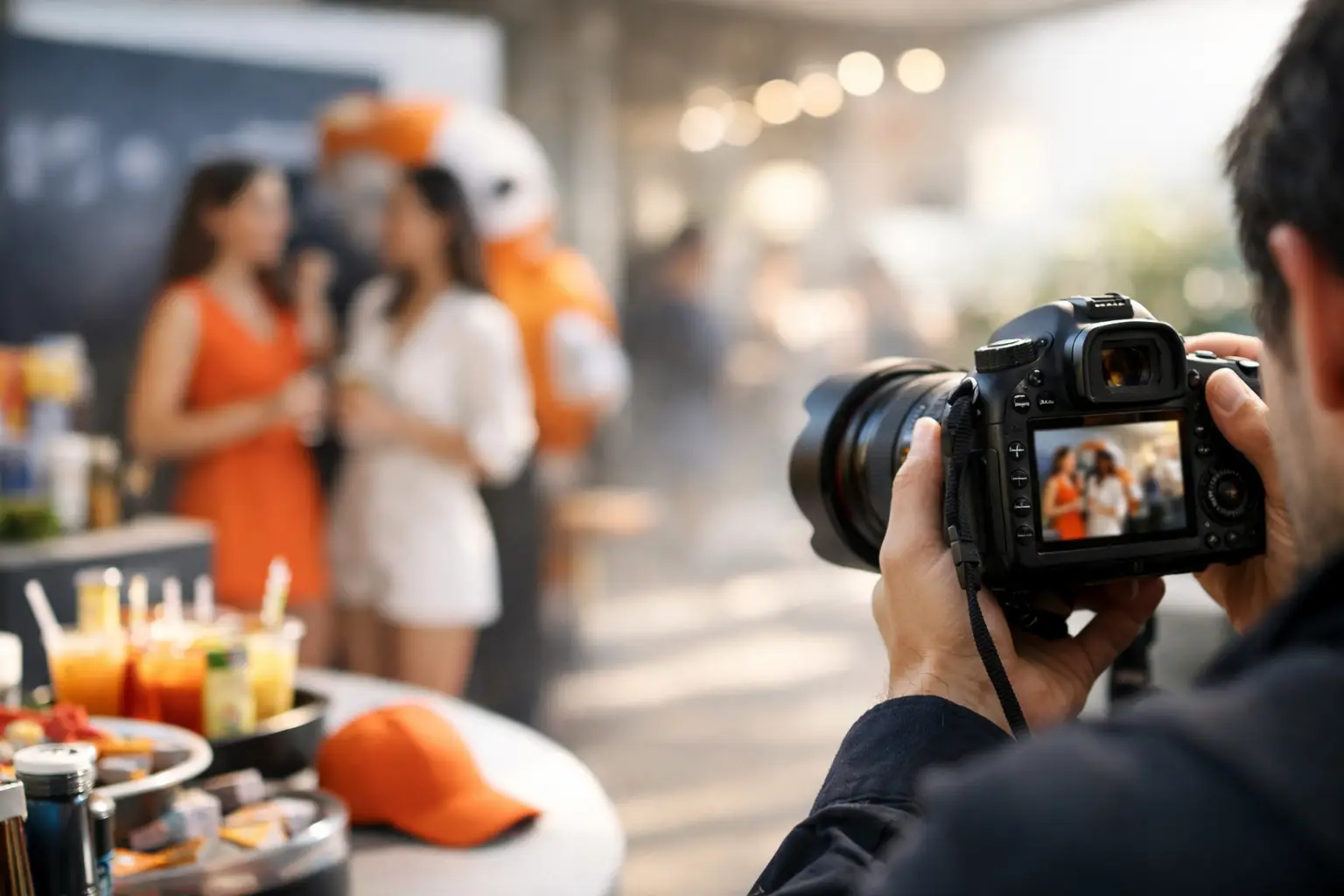
22 Aug Brand Activation Photography Guide for Better Content
A brand activation can have exceptional design, a compelling product story, and a full guest list, yet still lose momentum if the photography feels generic. The right brand activation photography guide starts with one practical question: what should someone who was not in the room understand and feel when they see the images?
For marketing teams and event planners, photography is not simply post-event documentation. It is evidence of engagement. It shows a brand in motion, captures the scale of an experience, and creates polished assets for social channels, sales decks, press outreach, internal recaps, and future campaigns. That requires more than placing a photographer near the entrance and hoping memorable moments happen.
Start With the Story, Not the Shot List
The strongest activation galleries have a clear visual point of view. Before deciding how many photos are needed, define the story the images need to tell. Is the goal to make a product launch feel cinematic and exclusive? To show an interactive installation attracting a steady crowd? To capture employee connection at a conference or client appreciation event?
A useful creative brief identifies the audience, the desired emotional tone, the brand elements that must be visible, and the channels where images will appear. A photo intended for a vertical social story needs different framing than an image built for a website banner or a presentation slide. Planning for both gives your content greater range without making the final gallery feel repetitive.
The story should also account for the guest experience. A brand activation is most compelling when it appears lively, intuitive, and worth joining. Images should make the experience look inviting without relying on staged enthusiasm that feels disconnected from the room.
Identify the non-negotiable visual moments
Most activations include a few moments that cannot be recreated once the event is over: the first reveal, a key executive interaction, a product demonstration, a performance, a full room, or a high-energy guest response. These should be communicated to the photography team before doors open.
Also identify brand details that deserve close coverage. This may include custom signage, packaging, experiential displays, step-and-repeat treatments, branded photo moments, specialty cocktails, florals, or a designed lounge. Detail imagery gives marketing teams flexible assets and preserves the level of craft behind the activation.
Build Photography Into the Event Design
Photography performs best when it is considered during production, not added as an afterthought. Lighting, traffic flow, placement of logos, background treatment, and the location of interactive elements all influence the finished images.
A visually impressive installation can photograph poorly if it is placed beneath harsh overhead lighting, against a cluttered service area, or in a corner that never receives guest traffic. Conversely, a well-designed content moment can become an organic focal point when guests understand where to stand, what to do, and how they will receive or share their images.
This is where event photography and guest-facing capture experiences can work together. A professional photographer documents the atmosphere, scale, and unscripted reactions across the event. A premium photo booth or 360 video experience creates a deliberate place for guests to participate in the brand story. One captures the event as it happens; the other gives guests a polished reason to create content themselves.
For larger footprints, consider the guest journey from arrival through departure. Where will guests first encounter the brand? Where do they pause? Where does the energy build? A photographer who understands this flow can capture the event at its most dynamic rather than spending the evening searching for activity.
Choose the Right Coverage Style
There is no single visual formula for every activation. The appropriate approach depends on the brand, venue, campaign objective, and anticipated guest behavior.
Editorial event coverage is especially effective for premium launches, galas, executive events, and brand dinners. It favors composed frames, flattering light, intentional detail work, and refined portraits that feel suitable for publication. Documentary-style coverage is often stronger for conferences, street-team activations, festivals, and energetic consumer experiences where movement and participation tell the real story.
Most successful activations need a balance. You want wide images that establish the environment, medium frames that show people using the experience, and close portraits that reveal genuine emotion. Too many room shots can make an event feel distant. Too many tightly framed guest photos can remove the activation context that makes the content valuable to the brand.
A professional team will also know when to guide a moment. Light direction may be useful for a sponsor photo, an executive portrait, or a group of VIP guests. But during active programming, excessive staging can interrupt the experience. The goal is polished imagery that still feels alive.
Your Brand Activation Photography Guide to Essential Shots
A detailed shot list is helpful, but it should direct the work rather than restrict it. The most memorable frames are often unplanned: a guest laughing during an interaction, a spontaneous product reaction, or a crowd gathering around a distinctive installation.
For a complete post-event gallery, make room for these four categories:
- Establishing images that show the venue, exterior, room design, signage, and full activation footprint.
- Brand and product details that capture logos, displays, materials, custom graphics, and thoughtfully designed touches.
- Guest engagement showing participants interacting, posing, demonstrating, sampling, or sharing a moment together.
- Hero content featuring VIPs, speakers, performers, campaign leaders, and the defining moments of the event.
Add a short list of must-have people by name, along with an on-site contact who can identify them. This small operational detail prevents a common post-event disappointment: discovering that a key stakeholder attended but was never photographed.
It is equally valuable to discuss what should not be photographed. Staff-only areas, guest badges, private screens, unfinished installation zones, or guests who have opted out may require discretion. Clear boundaries help protect the experience and the brand.
Design for Shareability Without Forcing It
Guests share content when it makes them look good, feels easy to access, and gives them a reason to post. The activation should provide a natural visual reward, whether that is a distinctive backdrop, an elevated portrait, an interactive 360 video moment, or a custom treatment that makes the image instantly recognizable.
Branding should be present but proportionate. Oversized logos can overwhelm a portrait and make content feel like an advertisement rather than a moment guests want to keep. A refined logo placement, custom overlay, color treatment, or branded animation often carries more impact because it preserves the guest as the center of the image.
This balance matters particularly for social content. If a guest looks confident, connected, and well lit, the brand benefits from the association. If the image feels awkward or overly promotional, it is less likely to travel beyond the event.
Plan the lighting before the room fills
Lighting is one of the most decisive factors in activation photography. It affects skin tones, product visibility, brand colors, and the sense of atmosphere in every frame. A dark, dramatic room can be beautiful in person while still needing carefully controlled supplemental light for photography.
The solution depends on the event. A luxury dinner may call for subtle lighting that preserves the mood. A high-energy pop-up may benefit from brighter, more graphic illumination that supports fast-paced content. What matters is testing the setup before guests arrive, including how branded surfaces, reflective materials, and digital screens appear on camera.
Make Asset Delivery Part of the Production Plan
Photography only creates value when teams can use the finished assets. Establish expectations for file delivery, editing style, priority selects, and approvals before the event. Marketing teams may need a small group of polished hero images quickly for next-day posting, while a complete gallery can follow on a separate timeline.
Ask for a mix of horizontal and vertical compositions, especially when the campaign will live across multiple platforms. It is difficult to crop a wide room photo into a vertical social asset without losing the action. Capturing intentional vertical frames during the event gives your team more options later.
Consistency matters, too. Color, exposure, skin tones, and retouching should reflect the event’s visual identity. A premium brand experience deserves imagery that feels considered from the first wide shot to the final guest portrait.
At Pic Station, that production mindset extends across professional event photography, videography, and interactive visual experiences, allowing teams to create a cohesive look rather than a collection of disconnected assets.
Give Your Photography Team the Conditions to Succeed
The best creative direction cannot compensate for missing access or poor timing. Introduce the photographer to the event lead, venue contact, production manager, and brand representative. Share the run of show, floor plan, key timing, access requirements, and any moments that cannot be interrupted.
A five-minute pre-event walkthrough can make a substantial difference. It lets the team identify clean sightlines, test light, locate power and staging areas, and anticipate crowd movement. For conference and corporate settings, it also helps determine where a photographer can work without blocking presentations or guest circulation.
The lasting value of activation photography is not measured by the number of files delivered. It is measured by whether the images make people want to have been there – and make your next audience ready to show up.